Fun Bite
"Ricely Yours": Soul Food Craving in JAZZ, flavorful and lively
5 min read
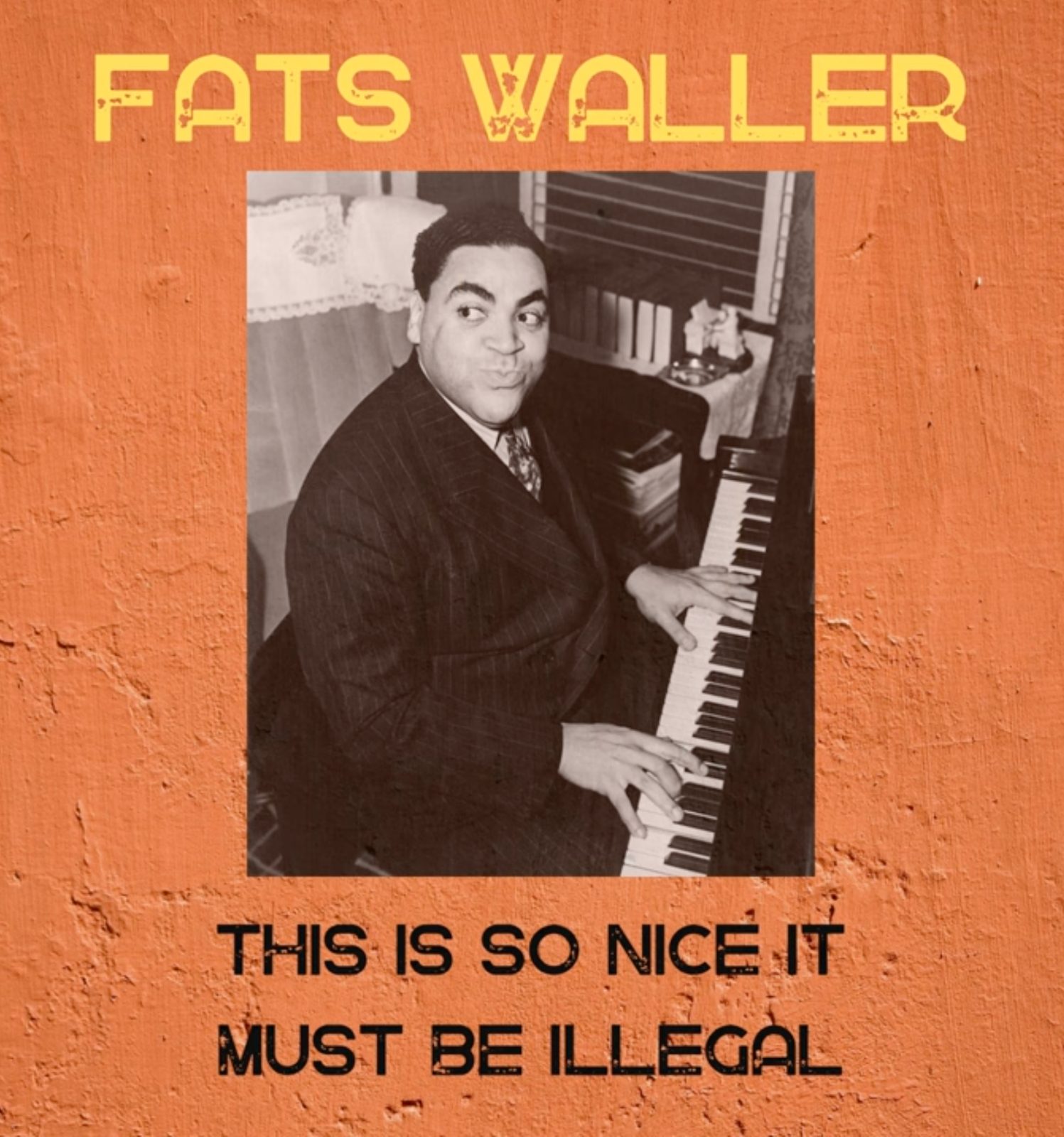
There’s something about jazz that you don’t just hear — you taste it: not in the metaphorical, abstract sense . I mean taste it the way you taste slow-cooked red beans, smoky ribs, or sweet burnt sugar on a New Orleans street corner. Jazz never existed in a vacuum of sound. It was born in kitchens, in church basements, in crowded apartments thick with grease and gossip and sound. It’s music that comes with appetite. Jazz is a language, yes , but it’s also a recipe. A living, breathing improvisation. And the food? It was never just background noise. It was the heartbeat. When Food Becomes the Score Jazz musicians have always cooked with their songs, and I don’t just mean played well. I mean they composed with hunger. When Fats Waller teased “all that meat, and no potatoes,” he wasn’t writing about dinner. He was writing about lust dressed up as love, or love stripped down to just the good bits. When Dizzy Gillespie shouted “Salt Peanuts!” over Parker’s frantic horn lines, it wasn’t about snacks. It was a jolt. A shout to the band: get in here, let’s go. There’s a reason pork chops, ribs, cheesecake, grits, and gumbo show up in jazz titles — these aren’t throwaway metaphors. These foods meant something to the people playing the music. They carried memory, desire, identity, rhythm. And jazz — like cooking — always leaves room for flavor to surprise you. Red Beans and Ricely, Yours: Louis Armstrong’s True Signature No one embodied the food, jazz connection like Louis Armstrong. His obsession with red beans and rice was legendary : not performative nor poetic, just plain, delicious truth. He signed letters with “Red beans and ricely, yours.” It wasn’t branding. It was comfort. A reminder of where he came from, and where he belonged. His love for the dish was so real that he’d joke about needing laxatives just to balance out his indulgence , and still, he never gave it up. He ate joyfully like he played from the gut. His music is also flavorfully earthy, spicy, a tiny little messy. For Louis, red beans and rice weren’t just food. They were home, Lucille, childhood, jazz , all stewed together. Pork Chop as Rhythm, Cheesecake as Curve Jimmy Smith’s “Pork Chop” isn’t just a song. In fact, it sounds like meat sizzling in a hot cast iron pan. You can hear the grease pop between the notes implying not coincidence, but intention. In New Orleans, food and music are the same thing. They move with the same pulse : hips swaying, pots stirring, rhythms simmering. For communities with few material resources, music and food have always been the accessible luxuries. They became forms of pride, resistance, art, and above all, survival. Red Beans Monday: More Than a Meal I learned that in New Orleans, Monday isn’t just Monday. It’s red beans day. A tradition born from practicality : beans slow-cooked while laundry got done , but held onto because it meant something more. Red beans Monday became a ritual. A rhythm. A cultural groove that kept time when the world felt unstable. It was never just about filling your belly. It was about holding your place in a community. Armstrong knew this. It’s why that dish followed him everywhere — even into song. Eating as Self-Defense (Ellington Knew) Even the dignified Duke Ellington had an appetite that bordered on outrageous. He once reportedly downed 32 hot dogs in one go — with a pork chop in his pocket for later. He called eating “a form of self-protection.” And maybe he was right. Maybe indulging — — really letting yourself enjoy something is its own kind of shield. In a world that tries to clean you up, jazz and food both insist on being felt before being polished. Not Just Jazz Jazz wasn’t the only genre that folded food into its rhythm , not at all. Country music sang about jambalaya and crawfish pie, and even The Beatles once listed chocolate flavors just to tease a friend. People have always used food to talk about love, memory, longing because it’s easier sometimes to say you miss someone by naming what they used to cook. But with jazz, it feels different. Jazz doesn’t just mention food. It sounds like food. It cooks. It simmers. It spills over the edge a little. Jazz doesn’t need to explain — it just feels like appetite. Where It All Begins When I listen to jazz, especially the messy, old recordings with laughter in the background and rust in the sax , I think of kitchens. Not restaurant kitchens. I mean home kitchens. Small ones. Greasy ones. Ones that smell like garlic and overly boiled rice. Places where someone’s humming while stirring a pot. Places where something’s always a little too salty, but nobody minds. Jazz feels like that to me. Not perfect. Not clean. But alive. Like food, it reminds you that you have a body. That you want things. That sometimes the most honest thing you can say… is a sound, or a bite. And maybe that’s enough.