Fun Bite
Sinanglay na Tilapia
By Hannah3 min read
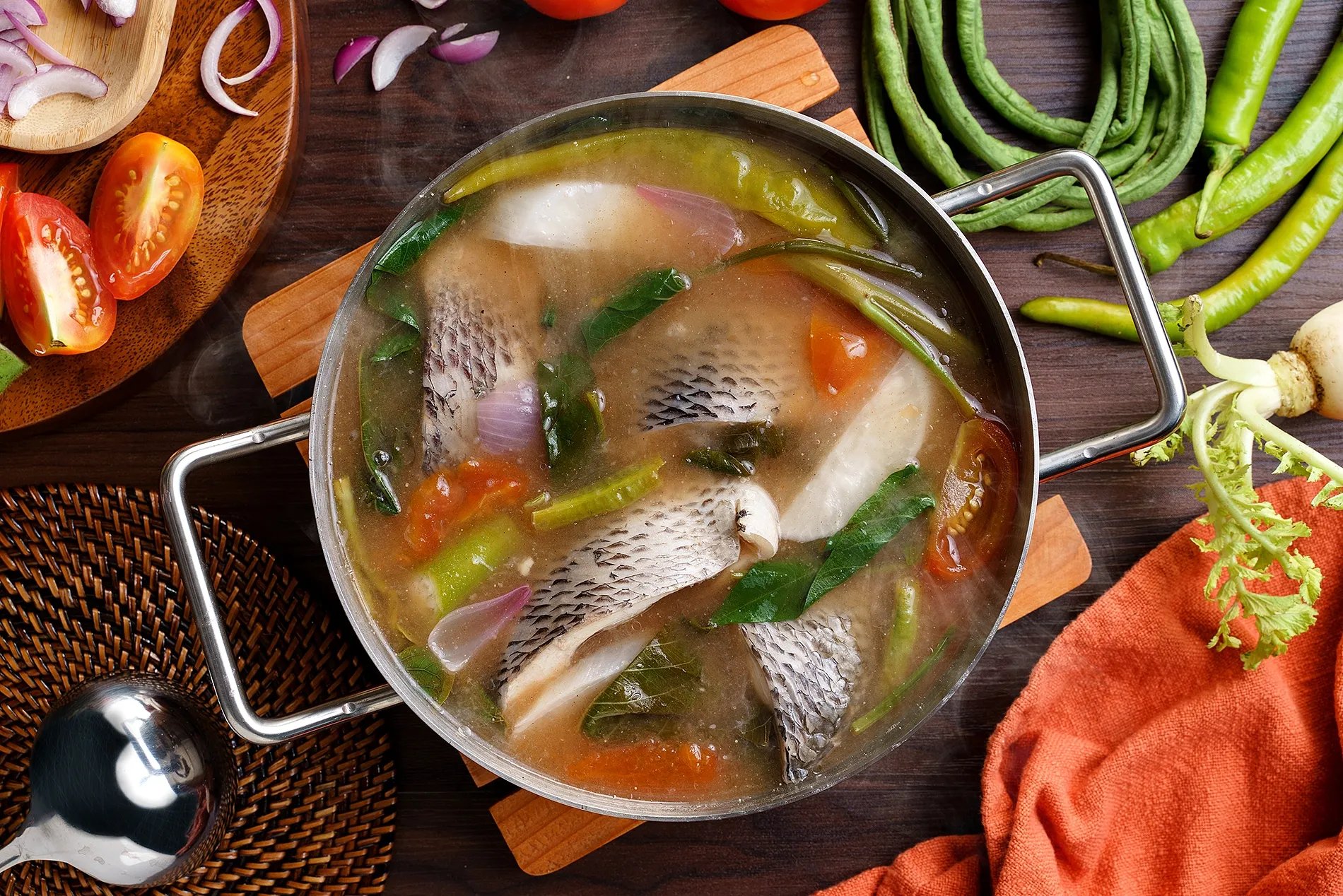
Nestled in the heart of the Bicol Region, sinanglay is a traditional Filipino dish that embodies the vibrant flavors and comforting textures of this lush area. This beloved dish features expertly stuffed fish wrapped in leafy greens, all simmered in a rich, spicy coconut milk sauce. Sinanglay exemplifies the region's deep appreciation for the bold combinations of coconut and spice, making it a staple in many households. At the core of sinanglay is the fish, often filled with a delightful mixture of onions, scallions, garlic, tomatoes, and siling haba (long green chilis) that deliver both flavor and heat. Once the fish is generously stuffed, it is carefully wrapped in large leafy vegetables such as pechay (Chinese cabbage), mustard greens, taro leaves, or cabbage. Strips of pandan leaves or lemongrass are used to secure the wrapping, ensuring that the flavorful filling stays intact during the cooking process. As the wrapped fish is gently placed in a pot, it simmers in a savory sauce made from coconut milk or cream. This creamy base is seasoned with a blend of spices, including ginger (or turmeric), black pepper, patis (fish sauce), or bagoong alamang (shrimp paste). A pinch of salt and labuyo chilis add depth and heat, while a souring agent—like tamarind, calamansi, or bilimbi—balances the richness of the coconut milk. Cooking sinanglay requires a delicate touch and attentive care. It typically simmers for about ten to twenty minutes, filling the kitchen with an enticing aroma that draws everyone nearby. Cooks must stir occasionally to prevent the coconut milk from curdling, ensuring a smooth and creamy sauce. For an added layer of flavor, prawns or shrimp may sometimes be included, enriching the dish even further. The roots of sinanglay can be traced back to the Bicol Region, where the lush landscapes and abundant seafood define the local cuisine. Known for its generous use of coconut and chili peppers, Bicolano cooking showcases the essence of its environment. The influence of Spanish colonization also played a significant role in shaping this dish, as local cooks adapted cooking techniques and ingredients introduced by the Spaniards. The tradition of wrapping food in leafy vegetables likely stems from indigenous culinary practices, where natural materials were utilized for cooking and serving. Sinanglay is often prepared for festive occasions and family gatherings, embodying the communal spirit of Filipino culture. Sharing this dish brings loved ones together, fostering a sense of connection and tradition. While tilapia is the most commonly used fish, other options like talusog (snakehead), hito (walking catfish), and maya-maya (red snapper) allow for personalization based on available ingredients. This versatility reflects the resourcefulness of Filipino home cooks, who often adapt recipes to suit their preferences and local produce. A fun fact about sinanglay is its celebration of the Bicol Region's abundant coconut plantations, which play a vital role in both the local economy and culinary identity. The use of coconut milk in sinanglay is not just about flavor; it symbolizes the region's rich agricultural heritage.