Fun Bite
Loukoumades
By Hannah2 min read
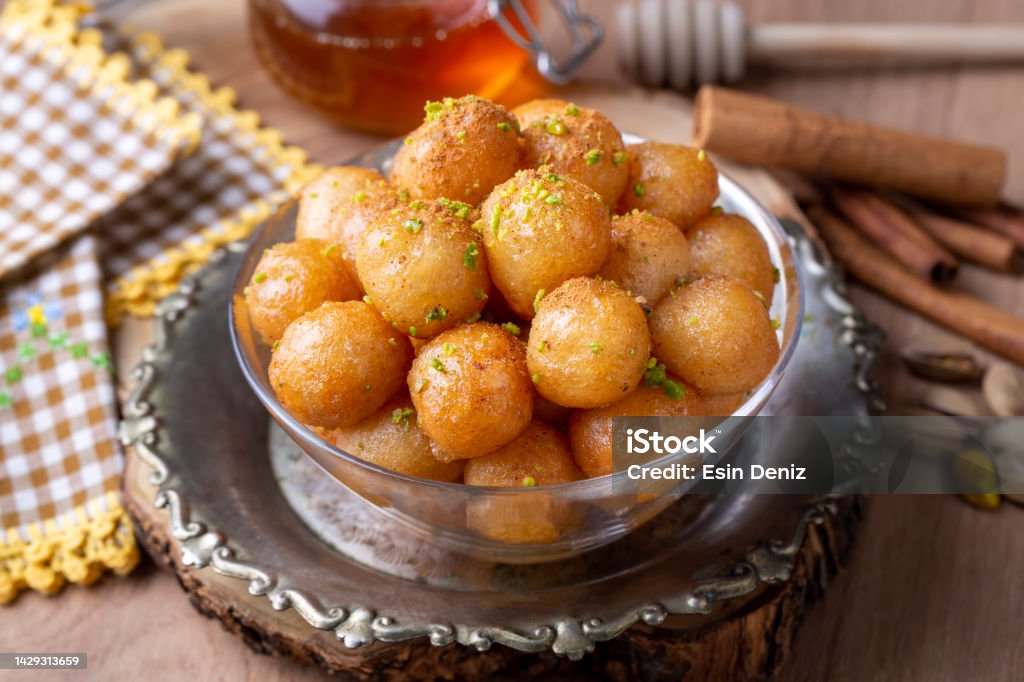
Loukoumades, often called Greek doughnuts, are one of the oldest recorded desserts in the world, with origins dating back to ancient Greece. These small, golden fried dough balls are typically soaked in honey syrup and topped with cinnamon or crushed nuts. Historically, loukoumades were served to victors of the ancient Olympic Games as a sweet reward, earning the name "honey tokens." This connection to Greek history and mythology gives the dish a deep sense of tradition and significance with every bite, offering a taste of antiquity. The name "loukoumades" comes from the Arabic word *luqmat*, meaning "mouthful," reflecting their small size and irresistible taste. Although they are most closely associated with Greek cuisine, similar versions of loukoumades can be found across the Mediterranean and Middle East, highlighting the way culinary traditions transcend borders. Today, loukoumades are a popular street food in Greece, particularly during festivals, where the delightful aroma of honey and fried dough fills the air, attracting crowds. Beyond their sweetness, loukoumades carry symbolic meaning. Honey, often used to glaze the dough, is seen in Greek culture as a divine gift, symbolizing purity and prosperity. When nuts are added, they are believed to bring health and good fortune. Some regional versions are spiced with mastiha or anise, adding a subtle aromatic twist, which makes each version unique. Despite being a decadent treat, loukoumades offer some nutritional value, as the honey provides natural energy and antioxidants, while the nuts contribute protein and healthy fats.