Fun Bite
Lángos
By Hannah2 min read
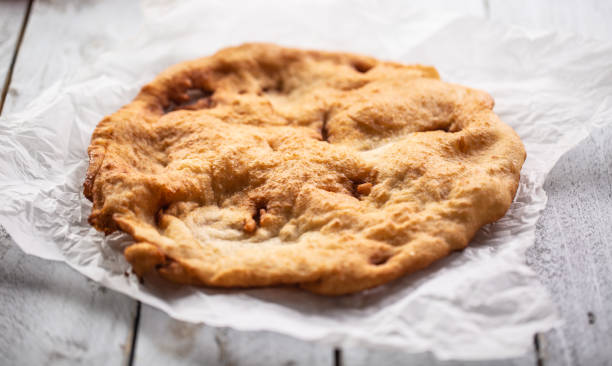
Lángos (pronounced [ˈlaːŋɡoʃ]) is a beloved Hungarian dish that has evolved from a traditional flatbread to a popular street food. The name lángos comes from the Hungarian word "láng," meaning "flame," a reference to its original method of cooking over an open flame. Historically, it was made using leftover dough from bread-baking days. In the mid-20th century, large ovens would bake bread once a week, and any remaining dough was turned into lángos, which was deep-fried and enjoyed hot. Lángos has its roots in the practice of baking large loaves of bread, typically weighing between 6 to 10 pounds, with smaller "cipó" rolls for daily meals. It was a practical way to use up the last bits of dough. In the early 2000s, the dish took on a modern twist when vendors began selling "kenyérlángos", a variation that was oven-baked and topped with sour cream, onions, and bacon. This version bears more resemblance to a pizza than the original deep-fried flatbread. Today, lángos is a popular snack throughout Hungary and Eastern Europe, especially at bus stations, markets, and local festivals. It has spread to neighboring countries where it is known by different names: "langoš" in the Czech Republic and Slovakia, "Mekica" in Serbia, and "langoși" in Romania. In Austria, particularly in Vienna, lángos is a fast food favorite at fairs and amusement parks like the Prater, enjoyed for its crispy texture and wide range of toppings. Whether it's served with garlic, sour cream, cheese, or jam, lángos remains a cherished and versatile treat enjoyed by locals and tourists alike.