Fun Bite
Kuli-Kuli
By Hannah2 min read
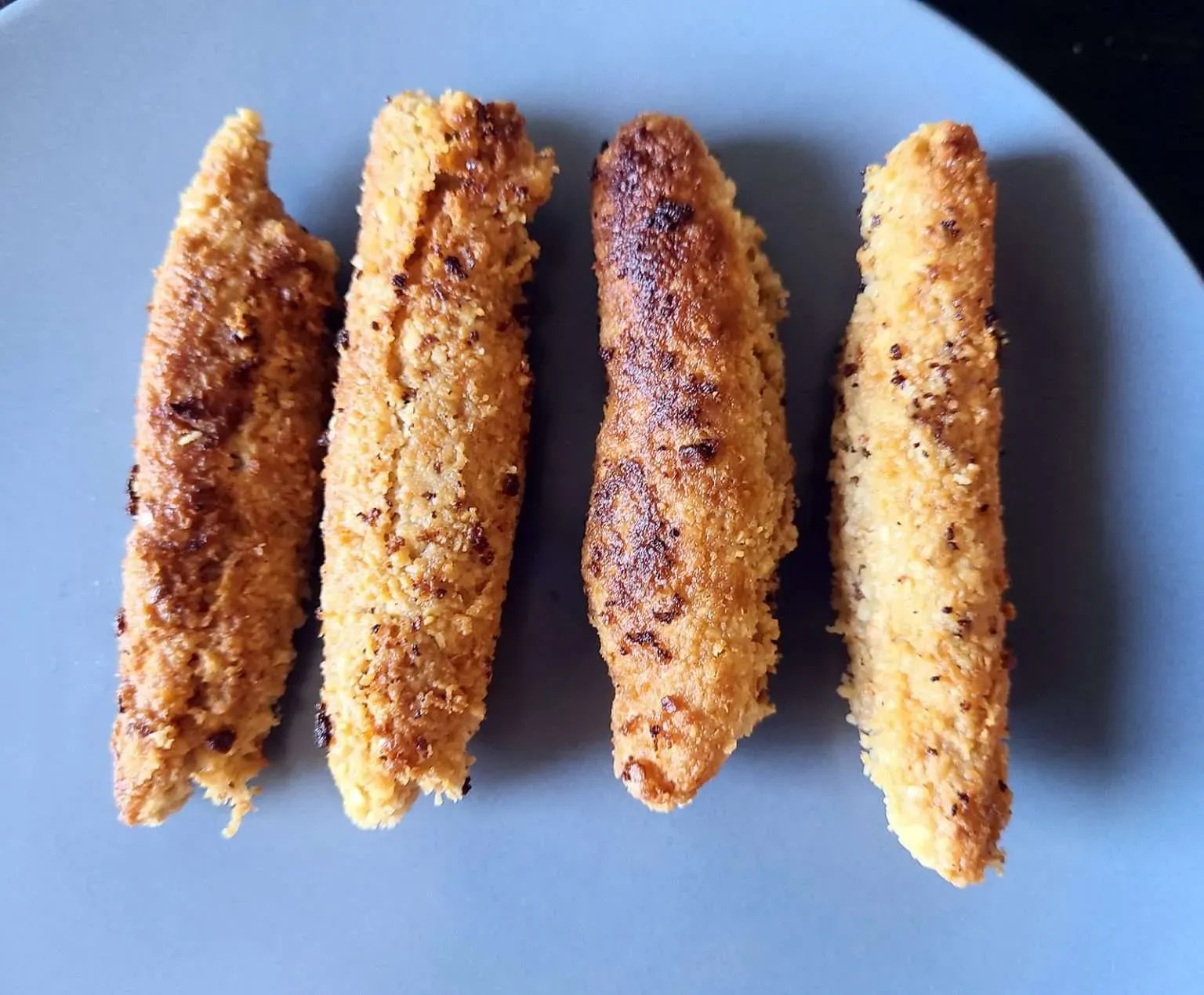
Kuli-kuli is a popular West African snack made primarily from peanuts, with its origins traced to the Nupe people of Nigeria. This crispy treat has become a staple across West Africa, especially in Nigeria, Benin, northern Cameroon, and Ghana, reflecting the region's rich culinary heritage. Traditionally, kuli-kuli is made as a byproduct of processing raw peanuts into peanut oil, showcasing the resourcefulness of the communities that produce it. The widespread appeal of kuli-kuli beyond its native regions speaks to its adaptability and global recognition. In Ghana, kuli-kuli is particularly enjoyed among the Dagbon people in the northern regions. It’s commonly made from the residue left after extracting groundnut oil, which gives it variations in texture and flavor based on local preparation methods. It is often eaten with garri (cassava flakes), Hausa koko (a type of porridge), or fura (a millet-based dish). Kuli-kuli can also be ground and used in salads or incorporated into popular dishes like suya and kilishi, highlighting its versatility in the West African culinary landscape. The preparation of kuli-kuli involves roasting peanuts, grinding them into a paste known as labu, and mixing it with spices, salt, and sometimes sugar. The paste is then shaped into balls or cylinders and fried until golden brown, resulting in a crunchy texture. Kuli-kuli has a long shelf life, making it an ideal snack for travelers and a popular treat for children. The production of kuli-kuli is largely carried out by women, who play a crucial role in every aspect of the trade—from cultivation to sales. This not only empowers women economically but also reinforces cultural norms surrounding women's work in the region. Aside from its great taste, kuli-kuli is also nutritionally beneficial, packed with protein, magnesium, phosphorus, and vitamin E from its peanut content. It serves as an excellent example of how traditional food practices can create nutritious, portable snacks while providing economic opportunities for local communities.